Complete Guide: Key Factors to Keep in Mind When Purchasing Engines Online for Your Vehicle
When purchasing an engine unit online, numerous elements come into play to secure a satisfactory deal. Vehicle compatibility is critical, demanding careful review of details like make, model, and VIN. Buyers must also weigh the benefits and drawbacks of brand-new, remanufactured, and secondhand alternatives. Knowing warranty terms and finding trustworthy sellers can make more challenging the process. As these elements intertwine, it is evident that knowledgeable selections are key to a successful outcome. How should one proceed from here?
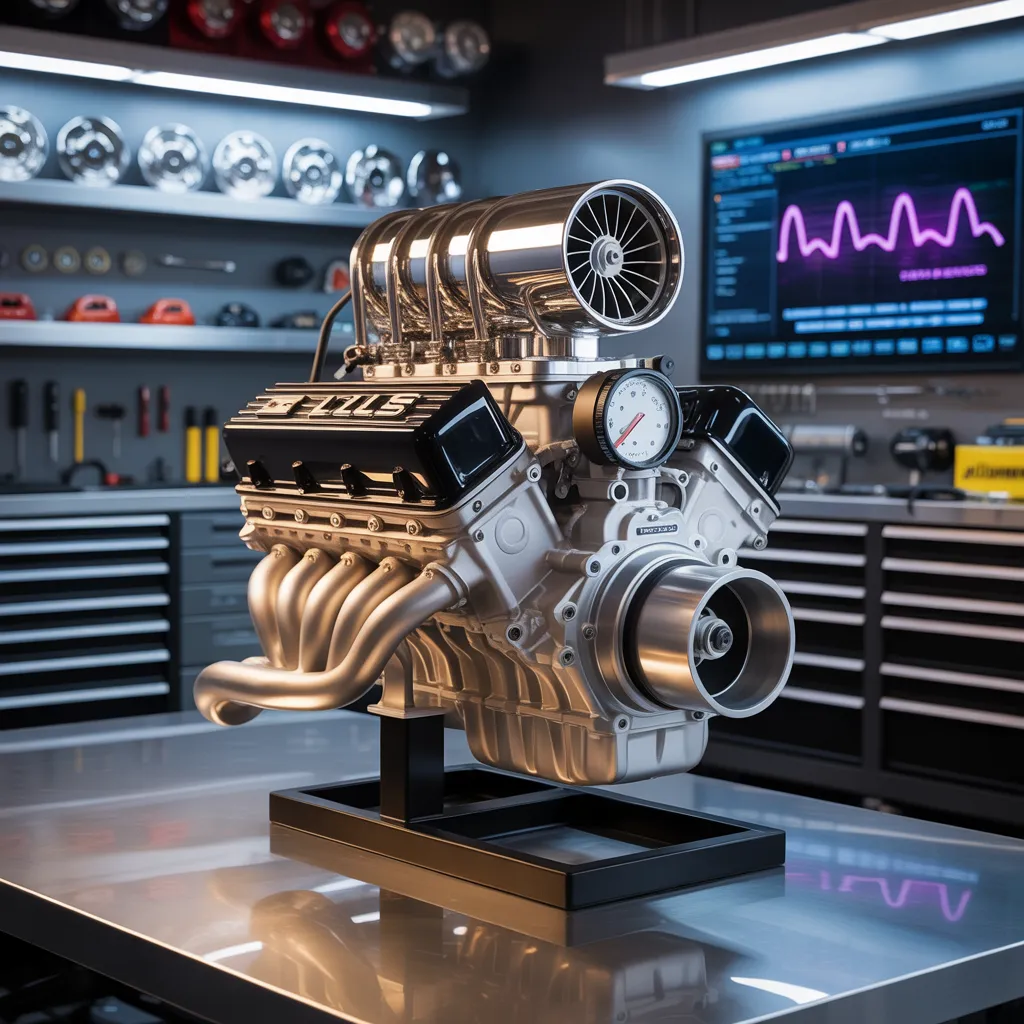
How to Ensure Engine Compatibility With Your Vehicle
When purchasing an engine online, ensuring compatibility with the vehicle is vital for a smooth installation process. Shoppers should start by determining the make, model, and year of the vehicle, as this information is key to selecting the right engine. Furthermore, reviewing the vehicle identification number (VIN) can supply detailed information that assists in confirming the correct fit.
Additionally, it is essential to account for the type of engine, such as whether it is gasoline or diesel, as well as the engine's size and layout. Looking up the engine's component numbers can also assist in confirming that it corresponds to the requirements of the vehicle.
Customers are advised to consult the seller for any compatibility guarantees or refund policies, which can safeguard against unanticipated complications. Lastly, reviewing buyer testimonials and checking for reliable sources can offer information about the vendor's reliability, guaranteeing a thoroughly informed buying decision.
How to Choose Between New, Remanufactured, or Used Engines
Rebuilt engines offer a balanced option, as they are rebuilt to meet factory standards. This option typically balances cost and reliability, appealing to those who want assurance without the new engine price tag. Furthermore, remanufactured units commonly feature warranty protection, increasing their appeal.
Pre-owned engines are the most budget-friendly option but carry inherent risks, including uncertain wear and a possible absence of warranty coverage. Buyers must thoroughly evaluate the engine's history and condition before purchasing. Ultimately, the decision should align with individual priorities, weighing aspects such as budgetary restrictions, performance demands, and tolerance for risk.
Navigating Warranties and Returns for Engine Purchases Online
Maneuvering the nuances of return policies and warranties is essential for those looking to purchase an engine online. Buyers should carefully review the warranty terms provided by the seller, as these can differ significantly between manufacturers and retailers. A robust warranty commonly includes defect coverage and delivers peace of mind, but it's essential to understand the duration and specific conditions.
Return policies are also of great importance; they define the circumstances in which an engine can be sent back if it falls short of expectations or encounters compatibility problems. Certain sellers may impose a restricted return period or restocking charges, which can affect the total expense. Additionally, it is advisable to inquire about the process for returning faulty parts, as this can save considerable hassle later. Grasping these factors helps ensure a more seamless transaction and safeguards the buyer's investment over time.
Creating a Realistic Budget for Your Engine Investment
When planning a budget for purchasing an engine, it is crucial to first define a clear budget range. Buyers should also account for installation costs, as these can greatly impact the overall costs. Additionally, accounting for future maintenance costs will help ensure that the purchase remains financially viable in the years ahead.
Establish Your Budget Range
Defining a budget for an engine purchase demands thoughtful analysis and financial prudence. Interested buyers should initially investigate pricing trends to grasp the cost spectrum for different engine types, including new, remanufactured, and used options. It is essential to assess personal finances and determine how much may be set aside without affecting other monetary commitments. Shoppers should also account for the lasting worth of the engine, taking into account durability and efficiency relative to the upfront expense. Setting a budget range not only aids in narrowing down choices but also prevents overspending. In the explore the details end, a clearly established budget confirms that the purchaser remains focused on engines that meet both their needs and financial limitations, making the purchasing process more efficient.
Include Installation Costs
Planning a budget for an engine purchase requires more than accounting for the engine's price alone; installation expenses must also be taken into consideration. These expenses can differ significantly based on the complexity of the job, the vehicle type, and labor rates across various shops. Auto repair professionals may bill a flat rate or an hourly charge, either of which can increase costs quickly. Furthermore, specialized tools or equipment might be required, driving up costs even more. It is essential for buyers to gather quotes from multiple mechanics in order to arrive at an accurate estimate of installation expenses. By factoring these costs into the total budget, buyers can prevent unforeseen financial burdens and ensure a more seamless engine replacement experience.
Plan for Future Maintenance Outlays
Planning for upcoming upkeep costs is vital for individuals acquiring an engine. Prospective owners should take into account the future costs associated with engine servicing, including fluid changes, filter maintenance, and unforeseen repairs. It is prudent to examine the particular engine model to understand its dependability and common issues, as certain engines may need greater servicing than others. Moreover, warranty plans can provide peace of mind but may also alter the overall budget. Buyers should consider the costs of specialized equipment or services needed for repairs. By preparing for these expenditures, individuals can make a well-considered choice, ensuring that their financial commitment corresponds to their budget constraints over the engine's service life. This proactive strategy eventually improves vehicle performance and durability.
Spotting Reputable Online Engine Suppliers
When buying an engine unit on the internet, assessing retailer reliability is crucial. Shoppers should investigate the seller's standing, confirm warranty coverage, and examine refund policies to guarantee a secure transaction. These measures can help mitigate risks and enhance the overall buying experience.
Evaluate Retailer Credibility
Numerous factors contribute to identifying reliable online engine retailers, but one of the most essential is examining their credibility. Shoppers may commence by examining testimonials and evaluations on sites like Google, Yelp, or niche vehicle discussion boards. Positive feedback from previous buyers often indicates reliability and quality service. Furthermore, it proves valuable to assess the retailer's history, such as their years of operation and connections to reputable vehicle industry groups. Participating in forum conversations can also shed light on potential red flags. Finally, vendors with straightforward terms regarding refunds and client assistance generally indicate a commitment to customer satisfaction, additionally strengthening their reputation in the competitive online marketplace.
Check Warranty Options
Knowing warranty terms is an essential step in the process of purchasing an engine online. A comprehensive warranty provides important protection against manufacturing flaws and potential failures. Consumers should closely review the warranty terms, including duration, coverage details, and any exclusions that may apply. It is essential to favor retailers that provide strong warranties, as this often demonstrates their assurance of product quality. Additionally, being familiar with the claims process is essential; a clear procedure can save time and frustration if issues arise. Some retailers may also offer extended warranty coverage for greater peace of mind. By reviewing warranty options, buyers can make better informed decisions and confirm that their investment is protected against unexpected issues.
Review Return Policies
Prior to making a purchase, buyers should thoroughly review the return terms of online engine retailers to make certain they can properly manage any potential concerns. Knowing the return conditions is essential; a retailer that provides a accommodating return policy reflects dependability and commitment to buyers. Buyers should look for policies that allow returns within a suitable window of time and supply detailed directions on how to start the return process. Additionally, it is important to note whether the retailer pays for return shipping, as this can greatly affect overall expenses. A transparent return policy can function as a measure of the seller's dependability and dedication to customer care, making it a key element in the purchasing process.
Post-Purchase: Installation Guidelines
Setting up a recently acquired engine can be a fulfilling yet demanding task that necessitates careful attention to detail. Thorough preparation is crucial; begin by gathering all necessary tools and components, including new gaskets, fluids, and any required hardware. A tidy workspace will support a more streamlined installation process.
Prior to removing the old engine, note the wiring and hose arrangements to guarantee accurate reconnections. Having a repair manual specific to the vehicle model on hand for reference is highly recommended.
Once the new engine is in place, ensure it is correctly aligned with the engine mounts. Proper torque specifications must be observed precisely, as incorrect tightening can cause problems down the line. After installation, thoroughly check for leaks and perform a thorough inspection before starting the engine. To conclude, permit the vehicle to idle and observe for any unexpected sounds or performance issues, guaranteeing a successful changeover to the new engine.
Questions We Often Receive
How Do I Check an Engine's History Before Purchasing?
To evaluate an engine's background before purchasing, one should acquire its Vehicle Identification Number (VIN), assess service documentation, search for accident history, and consult online resources to verify ownership details and service history comprehensively.
What Are the Indicators of a High-Quality Engine Listing?
High-quality engine listings commonly showcase thorough, comprehensive descriptions, abundant photos, accurate specifications, confirmed seller reviews, and transparency regarding the engine's history and overall condition. Thorough warranties and return policies also confirm a reliable and credible option.
Is It Possible to Negotiate Prices When Purchasing Engines Online?
Yes, price negotiation when buying engines online is commonly an option. Shoppers should examine similar listings, grasp the market value, and engage sellers courteously, as most sellers are receptive to conversations aimed at reaching a fair and mutually beneficial arrangement.
What Records Should I Ask the Seller For?
The buyer must request paperwork such as the engine's history report, warranty information, proof of purchase, and any maintenance records. These records guarantee transparency and aid in verifying the condition and authenticity of the engine.
How Long Does Shipping Typically Take for Engines?
The shipping process for engines typically takes three to ten business days subject to the seller's location and shipping method. Delays can happen due to customs or unforeseen circumstances, so it is advisable to verify the estimated delivery times in advance.